

Video course explanation
Click to watch the complete introduction video, quickly understand the core functions and usage methods
Information inquiry
Enter keywords and get the information you need with just one click
About Us
The Global Economic and Legal Cooperation Council (GELCC) is a non-profit international organization dedicated to promoting global economic governance and cross-border legal coordination. By establishing a dialogue platform, promoting rule convergence, and strengthening capacity building, the Council aims to achieve the following core objectives: 1 Promote the rule of law and standardization of global economic governance, create a fair, transparent, and stable international economic and legal environment, and support the improvement of the multilateral trading system and global financial order. 2. Strengthen cross-border legal coordination and cooperation to resolve legal conflicts and regulatory differences in areas such as cross-border trade, investment, digital economy, and sustainable development, and promote consistency in international rules and policy dialogue. three Serving the supply of global public resources through research, advocacy, and training, assisting the international community in addressing common challenges such as climate change, tax evasion, financial risks, and intellectual property protection. four Empowering the legal capacity building of developing countries to provide legal and technical assistance to emerging economies and countries undergoing economic transition, in order to enhance their institutional capacity to participate in global economic governance. five Advocate for inclusive and sustainable economic development, promote the integration of values such as human rights, environmental protection, and social justice into the international economic legal framework, and embody a people-centered approach to economic globalization.

Our Advantages

Our advantage: The core advantage of joining the Global Economic and Legal Cooperation Council is that it deeply binds legal professional barriers with global economic resources. 1. Obtain legislative direction in advance: The Council's permanent "Trade Policy Forecasting Working Group" will provide members with targeted updates on the revised draft laws of major economies, helping companies/law firms adjust their compliance strategies 3-6 months ahead of the public market. 2. Informal communication channels for rules: When facing cross-border regulatory conflicts or emerging fields (such as AI regulation and digital currencies) that cannot be relied upon, the Council can act as a neutral platform to submit an "Industry Practice White Paper" to the legal drafting departments of relevant international organizations or regional economies.

International conference cooperation is a key platform for promoting cross-border consensus and integrating professional resources. Its core benefits are reflected in the following three aspects: consolidating consensus, establishing standards, providing equal dialogue space for countries, and transforming individual experiences into universally applicable industry standards or action plans (such as climate agreements and data security rules) through negotiation, reducing communication and compliance costs globally from the source. Knowledge sharing and capacity building: Breaking down information silos, promoting the cross-border flow of cutting-edge technologies, management models, and policy practices, helping all parties involved quickly absorb advanced experience, and avoiding trial and error costs caused by information asymmetry. Relationship linking and conflict prevention: Establish a cross institutional and cross-cultural interpersonal trust network through a normalized meeting mechanism. This informal communication channel often resolves misunderstandings at critical moments and lays the foundation for deeper cooperation in the future.

International conference cooperation is a key platform for promoting cross-border consensus and integrating professional resources. Its core benefits are reflected in the following three aspects: consolidating consensus, establishing standards, providing equal dialogue space for countries, and transforming individual experiences into universally applicable industry standards or action plans (such as climate agreements and data security rules) through negotiation, reducing communication and compliance costs globally from the source. ·Knowledge sharing and capacity building: Breaking down information silos, promoting the cross-border flow of cutting-edge technologies, management models, and policy practices, helping all parties involved quickly absorb advanced experience, and avoiding trial and error costs caused by information asymmetry. ·Relationship linking and conflict prevention: Establish a cross institutional and cross-cultural interpersonal trust network through a normalized meeting mechanism. This informal communication channel often resolves misunderstandings at critical moments and lays the foundation for deeper cooperation in the future.
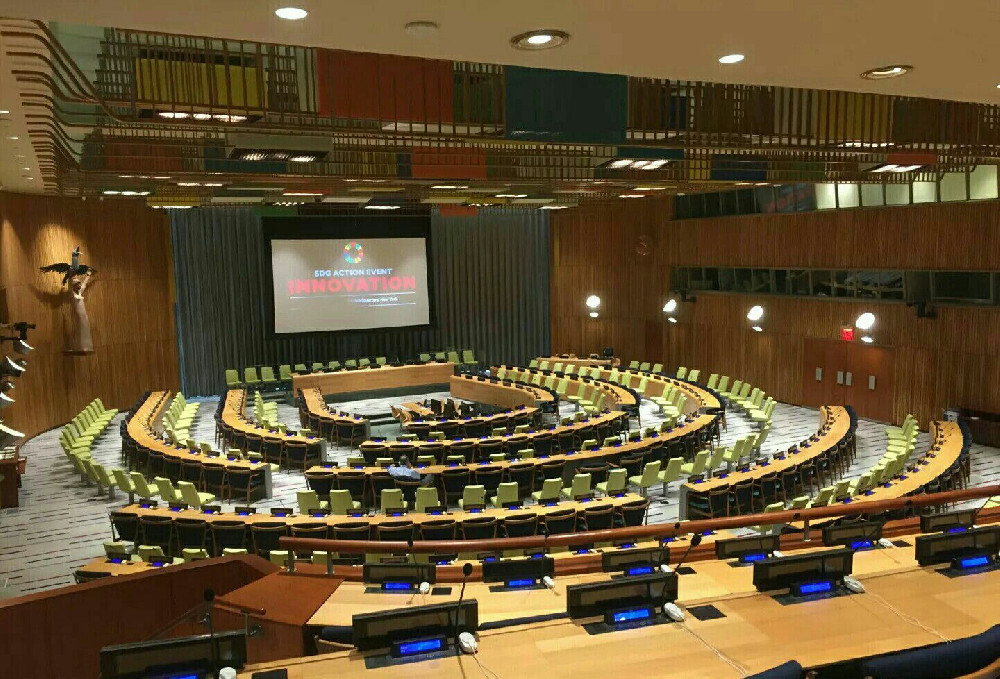
From an economic and legal perspective, the core significance of international institutional cooperation lies in reducing the operating costs of the global economy and preventing systemic risks through the coordination and protection of legal systems. Specifically, this is mainly reflected in reducing transaction costs: unifying trade rules and legal standards through institutions such as WTO and UNCTAD, reducing compliance barriers and uncertainties in cross-border economic activities, and enabling more efficient flow of goods and capital. Safeguarding Property Rights and Expectations: Utilizing mechanisms such as WIPO and the International Centre for the Settlement of Investment Disputes to protect intellectual property rights and cross-border investments, providing stable legal expectations for market entities, thereby stimulating innovation and long-term investment worldwide. Preventing global risks: Coordinating financial regulation and competition policies through platforms such as the Basel Committee and OECD, cracking down on tax evasion and commercial bribery, preventing bottom line competition, and jointly maintaining the stability of the global financial system and market order. Simply put, economic globalization needs to be accompanied by···
Council
Professional, authoritative, and efficient management team






0
+
Number of people and institutions
News Updates
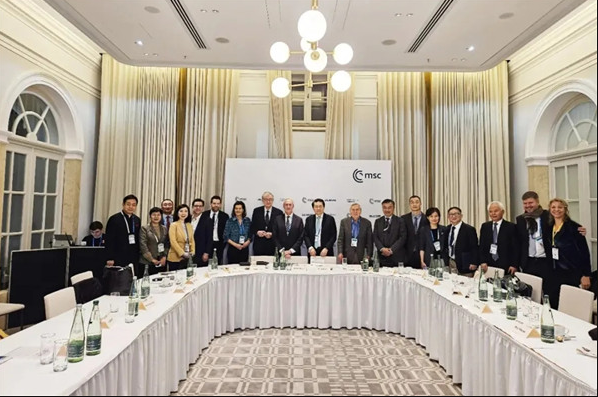
After nine months of dual-use controls, Japan’s rare-earth reserves are finally on the verge of being exhausted.
2026-10-26
The Governance Dilemma Behind the Unrest in Europe
2026-10-26
Winter is coming, and Europe is once again facing an “energy crisis.”
2026-10-21
From student protests to nationwide riots, what exactly are the French people protesting?
2026-10-19